Preventing Internal Wear Through Fluid Maintenance
Transmission Flush and Filter Service in Plainview for high-mileage vehicles showing delayed shifts or rough engagement
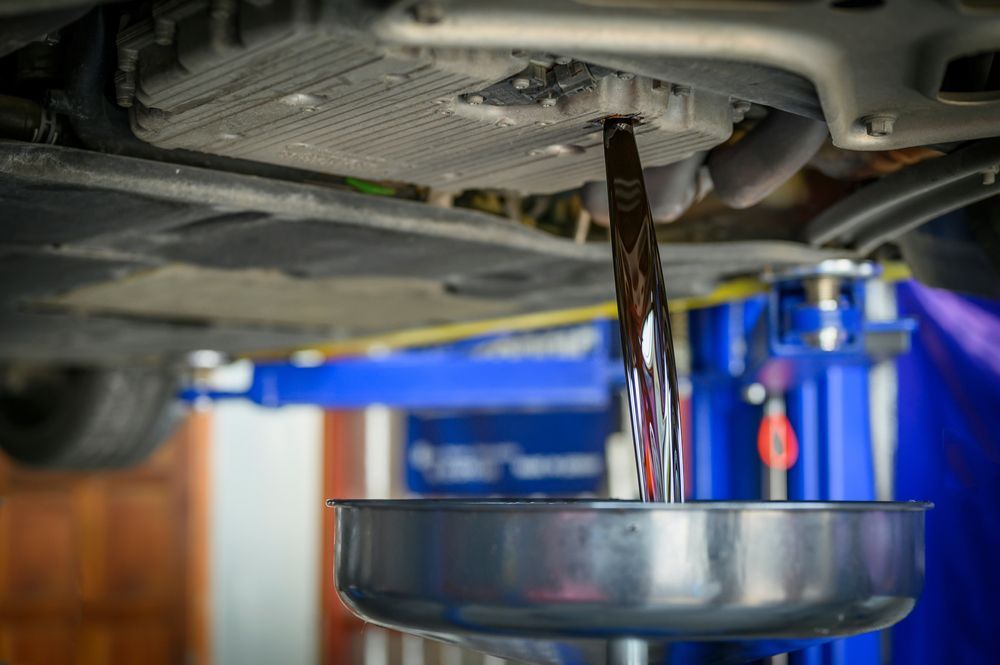
Transmission fluid degrades with heat cycles, losing its ability to lubricate clutch packs and cool valve body components that control shift timing. Cap Rock Mobile performs fluid flush and filter replacement in Plainview, addressing transmission performance issues before they escalate into costly repairs. This maintenance removes varnish buildup inside the pan, replaces clogged filters that restrict flow, and refills the system with fluid that meets manufacturer viscosity specifications.
The service involves draining old fluid from the pan and torque converter, replacing the internal filter element, and flushing residual contamination from cooling lines using equipment that exchanges fluid under controlled pressure. Different transmission designs require specific procedures—some vehicles need the pan dropped for filter access, while others use external spin-on filters. Fluid type matters: using universal ATF in transmissions designed for synthetic low-viscosity fluid causes delayed shifts and clutch slippage.
Arrange mobile service to maintain transmission function before minor shifting hesitation turns into hard engagement or slipping gears.
What Fresh Fluid Accomplishes Mechanically
Flushing replaces fluid that has absorbed moisture and suspended metal particles, both of which interfere with hydraulic pressure that actuates clutches and bands. Clean fluid flows freely through narrow passages in the valve body, allowing shift solenoids to respond instantly to throttle input. The new filter element prevents debris from circulating back through the system, protecting pump seals and friction surfaces from abrasive wear.
You'll notice smoother transitions between gears, quicker response when accelerating from a stop, and elimination of the shudder that occurs when the torque converter locks up on flat highways. The transmission stays cooler because fresh fluid transfers heat more efficiently to the external cooler, reducing operating temperatures that break down clutch material over time.
This service works best as preventative maintenance rather than a fix for existing damage—if the transmission already slips or produces grinding sounds, internal components have worn beyond what fluid changes can address. The flush also provides an opportunity to inspect the fluid for metal shavings or a burnt smell, both warning signs that internal failure is progressing.
Questions Before Scheduling Fluid Service
Drivers often want to understand timing and compatibility details for transmission maintenance.
How often should transmission fluid be flushed on high-mileage vehicles?
Most manufacturers recommend service intervals between 30,000 and 60,000 miles, but towing, stop-and-go traffic, and hot climates accelerate fluid breakdown—vehicles in Plainview used for farm work or frequent hauling benefit from shorter intervals.
What's the difference between a drain-and-fill and a complete flush?
Draining the pan only removes about a third of the total fluid since the torque converter and cooler lines retain old fluid, while a flush exchanges the entire system volume using pressure to displace contaminated fluid from all components.
Why do some transmissions fail shortly after a fluid change?
If a transmission has operated on degraded fluid for years, clutch packs wear to match that specific viscosity—introducing fresh fluid with different friction characteristics can expose existing damage, revealing problems that were already present but masked by worn-in tolerances.
What type of transmission fluid prevents issues in both gas and diesel engines?
Fluid choice depends on transmission design, not engine type—some require synthetic ATF with specific friction modifiers for clutch engagement, while others use conventional Dexron formulations, and using the wrong type causes shudder or delayed shifts regardless of what powers the vehicle.
When is a filter replacement more important than the fluid itself?
The filter catches metal particles and clutch material that would otherwise circulate through hydraulic passages—once the filter element clogs, fluid pressure drops, causing soft shifts and slippage even if the fluid itself is relatively clean.
Cap Rock Mobile handles transmission maintenance at your location, using fluids that match your vehicle's specifications. Call (806) 572-8587 to schedule a flush and filter service before shifting problems develop into transmission failure.