
Stopping Power That Handles Daily Demands
Brake Repair in Plainview for vehicles showing reduced stopping response, unusual noise, or pedal vibration
Cap Rock Mobile works on brake systems across Plainview, addressing worn pads, damaged rotors, and related hardware that affect how quickly and smoothly your vehicle stops. You need this service when you hear grinding or squealing during braking, feel pulsing through the pedal, or notice your stopping distance has increased. Mobile brake repair means the work happens at your location, whether that's your home, workplace, or another spot in the area, without requiring you to drive on compromised brakes to reach a shop.
Brake work involves inspecting the condition of pads and rotors to determine whether resurfacing or replacement is required, checking hydraulic lines and fluid for leaks or contamination, and testing the caliper function to verify even pressure distribution. Catching these issues early prevents damage to rotors, which cost significantly more to replace than pads alone, and keeps the entire braking system functioning as designed.
Schedule a brake system evaluation to identify wear patterns and determine which components require attention.
What Proper Brake Service Addresses
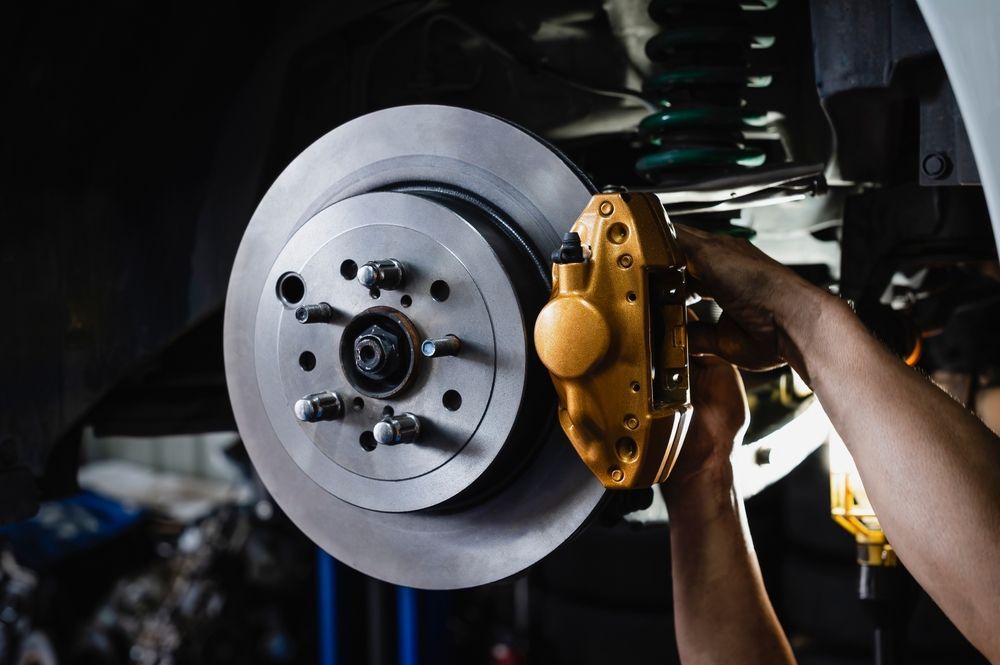
Brake repair starts with measuring pad thickness and rotor condition to determine whether the rotors can be machined or need full replacement. The service includes checking brake fluid levels and clarity, since contaminated fluid reduces hydraulic pressure and leads to spongy pedal feel. Each wheel is inspected separately because brake wear rarely occurs evenly across all four corners, especially on vehicles that tow or carry heavy loads frequently.
After the work is complete, you'll notice firmer pedal response, quieter stops, and elimination of vibration or pulling to one side during braking. The vehicle will stop in a shorter distance with less effort, and you won't hear metal-on-metal grinding that indicates pad backing plates contacting rotors. These changes are immediately apparent during the first few stops after service.
Brake service covers pad and rotor work but does not typically include replacing calipers or hydraulic lines unless those components are found to be leaking or seized. The inspection identifies these additional concerns if they exist, allowing you to address them before they cause complete brake failure. Diesel trucks and vehicles used for towing may require more frequent brake service due to the additional weight and heat generated during deceleration.
What Drivers Ask About Brake Work
Here are answers to questions that come up when scheduling brake repairs or evaluating brake system condition.
What causes brake noise even when the pads still have thickness remaining?
Noise can result from pad material composition, lack of lubrication on slide pins, or rust buildup on rotor surfaces, and doesn't always indicate the pads are fully worn.
How does mobile brake service work without a lift?
The mobile setup uses hydraulic jacks and stands to safely raise the vehicle, providing the same access to brake components as a traditional shop bay, and the work is completed on-site without towing.
When should rotors be replaced instead of resurfaced?
Rotors are replaced when they've been machined before and are now below the minimum thickness specification stamped on the rotor itself, or when they show cracking, warping, or deep scoring that can't be corrected.
Why do rear brakes often last longer than front brakes?
Front brakes handle roughly 70 percent of the stopping force due to weight transfer during deceleration, so front pads and rotors wear faster and require replacement more frequently than rear components.
What should you check if the brake pedal feels soft or sinks slowly?
Soft pedal feel usually indicates air in the hydraulic lines or a leak in the system, both of which require immediate attention since they directly reduce braking force and increase stopping distance.
Cap Rock Mobile handles brake repairs for cars, trucks, and diesel vehicles throughout Plainview, working on the components that determine whether your vehicle stops safely under all conditions. Call (806) 572-8587 to arrange an inspection and get a clear assessment of what your brake system needs.