
Addressing Catastrophic Mechanical Failure
Engine Replacement in Plainview for knocking sounds, severe overheating, or internal damage beyond economical repair
Internal engine failure from spun bearings, cracked blocks, or seized pistons requires replacement rather than rebuilding when damage affects multiple components. You hear knocking that worsens under load, see oil pressure drop to zero, or find coolant mixing with oil in the crankcase. Cap Rock Mobile assesses engine condition on-site in Plainview, determining whether replacement makes sense based on vehicle value and the extent of damage. Full engine replacement restores reliability for trucks and passenger vehicles where the original powerplant has failed due to overheating, oil starvation, or timing chain breakage that bent valves.
Replacement begins with selecting an engine that matches the vehicle's original specifications—same displacement, fuel delivery system, and emission controls. Gas engines require verifying the intake manifold and exhaust connections align, while diesel engines need matching injection pump types and turbocharger mounting points. Installation includes transferring accessories like the alternator, power steering pump, and air conditioning compressor from the old engine, then connecting wiring harnesses and fluid lines.
Discuss engine condition and replacement feasibility through mobile assessment before committing to a decision.
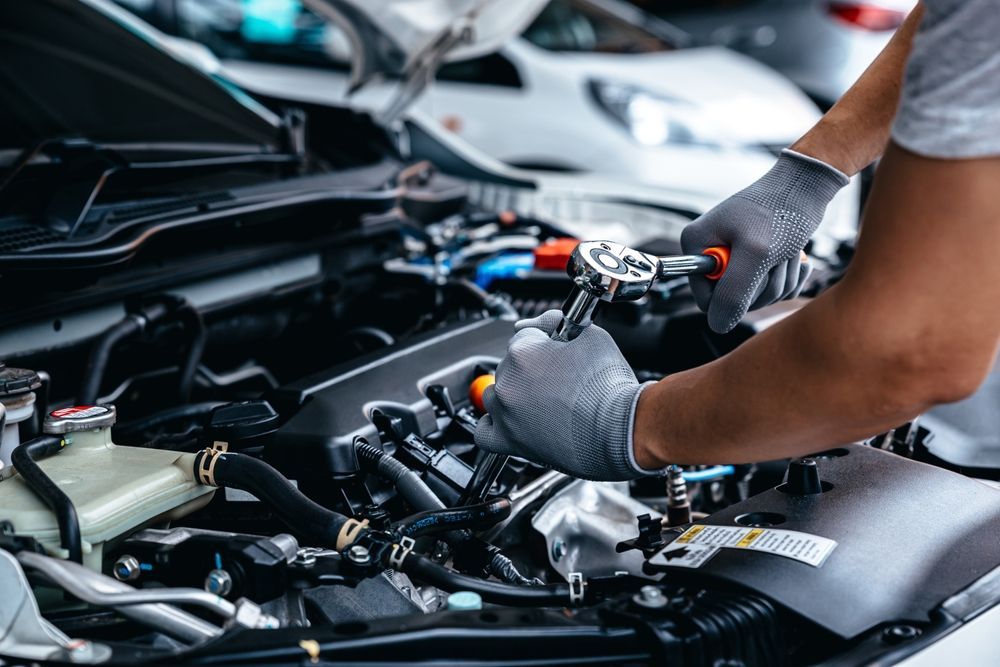
What Proper Installation Requires
Engine mounts must be inspected and replaced if worn, since excessive movement stresses exhaust connections and transmission linkage. The replacement engine's timing must be set precisely—even a few degrees off causes rough idle and poor throttle response. Diesel engines require bleeding air from fuel lines after installation, and turbocharged models need oil line connections checked for leaks that would starve the turbo bearings.
Cap Rock Mobile handles installations that follow manufacturer torque specifications for head bolts and main bearing caps, preventing repeat failures from improper assembly. Once complete, the engine starts immediately without excessive cranking, idles smoothly without vibration, and produces normal oil pressure within seconds. You'll notice predictable acceleration, no smoke from the exhaust, and operating temperatures that stay consistent during highway driving.
The service includes verifying all sensors connect properly so the computer can monitor coolant temperature, airflow, and oxygen levels. Replacing an engine also provides an opportunity to address cooling system issues like clogged radiators or failing water pumps that contributed to the original failure.
Answers to Frequent Engine Replacement Questions
Understanding what engine replacement involves helps with decision-making when facing major mechanical failure.
What signs indicate an engine needs replacement instead of repair?
Metal shavings in the oil, coolant mixing with combustion gases, or a rod punching through the block all signal damage too extensive for partial repairs—rebuilding costs approach replacement prices when multiple internal components have failed.
How do you match a replacement engine to a vehicle's existing systems?
The engine's VIN-specific build code identifies emission equipment, wiring harness connectors, and accessory drive layouts, so the replacement unit must share those specifications to avoid compatibility issues with sensors and computer programming.
Why does engine replacement take longer on diesel trucks than gas vehicles?
Diesel engines weigh significantly more, requiring lifting equipment with higher capacity, and fuel injection systems need precise timing alignment—inline injection pumps must be set to the engine's rotation, and high-pressure common rail systems require programming to match injector flow rates.
What prevents a replacement engine from overheating like the original?
Installing a new radiator, thermostat, and water pump alongside the engine addresses cooling deficiencies that caused the first failure, and flushing the cooling system removes scale buildup that restricted flow through narrow passages.
When does it make sense to replace an engine versus replacing the entire vehicle?
If the body and transmission are sound and the vehicle's market value exceeds replacement cost, installing a new engine extends service life by years—this calculation shifts in Plainview where well-maintained trucks retain value due to agricultural and commercial use patterns.
Cap Rock Mobile provides transparent assessments of engine damage and replacement options. Contact (806) 572-8587 to evaluate whether engine replacement fits your vehicle's condition and long-term needs.